
From fire detection to patient and resident communication, life safety technology has one important job: getting the right information to the right people when it matters.
Gibson Teldata helps organizations design, install, and support connected life safety systems built around their facilities, workflows, and day-to-day needs.
Help protect your people and property with a fire alarm system designed around your facility, existing infrastructure, and life safety requirements.
A fire alarm system does much more than sound an alarm. It brings together detection devices, notification equipment, control panels, and monitoring capabilities to help identify potential emergencies and communicate them quickly.
Gibson works with organizations to design, install, and support fire alarm solutions based on their facilities and operational needs. From a single building to larger or multi-building environments, we can help make sure the right people receive the right alerts when every second counts.
Whether you’re planning a new system, replacing aging equipment, or evaluating how an existing fire alarm communicates with monitoring services, Gibson can help you find the right approach.
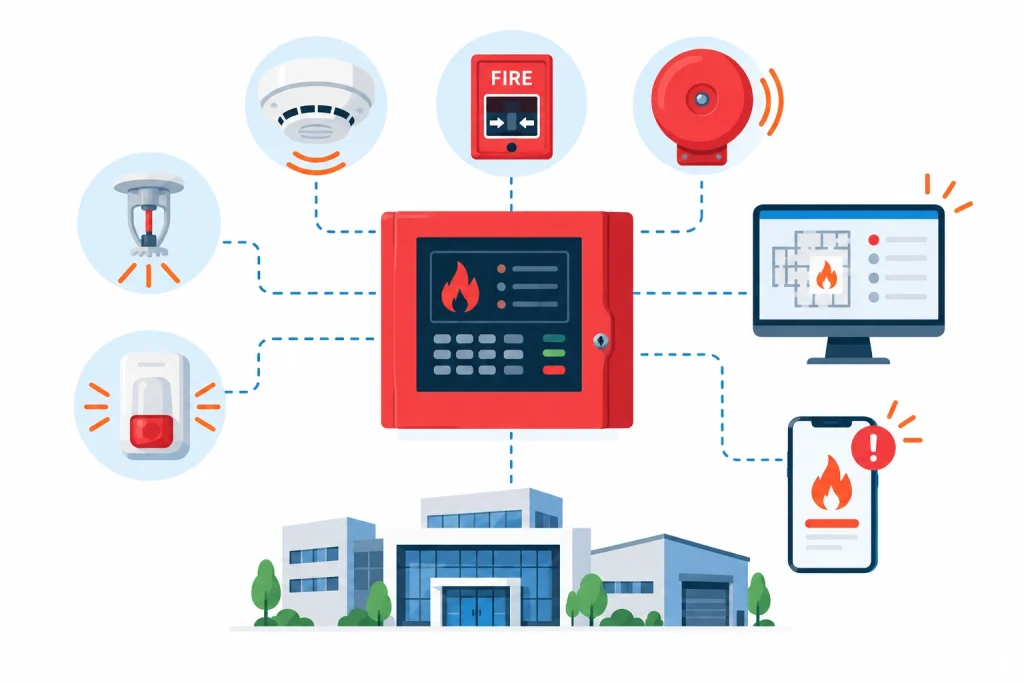
Your building might already have a fire alarm system, but that doesn’t necessarily mean it still fits your needs.
It might be time to review your system if:
Your existing fire panel or equipment is aging or becoming difficult to maintain
You want fire alarms to work alongside paging or mass notification systems
You’re renovating, expanding, or opening a new location
Different locations are using disconnected or inconsistent systems
Your organization needs a more dependable approach to alarm monitoring
You want one technology partner to help with system planning, installation, and ongoing support
Gibson can review your current environment and help determine whether an upgrade, expansion, or new system makes the most sense.
Today’s fire alarm systems combine detection, communication, and monitoring technologies to provide greater visibility across your facility.
Centralize detection and notification through a system configured around the size and requirements of your facility.
Support fast awareness of potential fire events through compatible detection devices and clear audible and visual notifications.
Help make sure alarm activity reaches the appropriate contacts so your organization can respond according to its emergency procedures.
Coordinate fire alerts with compatible paging and mass notification tools to communicate important instructions throughout a facility.
Build around your building layout, locations, existing infrastructure, and operational requirements rather than forcing your organization into a one-size-fits-all setup.
Reliable detection and notification help people become aware of a potential emergency as quickly as possible.
Connected notification tools help organizations communicate instructions to employees, students, patients, visitors, and other building occupants.
A coordinated system is easier to understand and manage than a collection of disconnected safety technologies.
Renovations, expansions, new buildings, and changing operational needs all affect life safety technology. A scalable approach makes it easier to adapt.
Fire alarm systems can support a wide variety of environments, including schools, healthcare facilities, manufacturing operations, offices, government buildings, and other commercial facilities. Gibson can recommend an approach based on your building and operational requirements.
Yes. Gibson assesses your current equipment and infrastructure before recommending whether components can continue to be used or whether an upgrade or replacement makes more sense.
Monitoring options can be incorporated based on your facility, selected system, and requirements. Gibson can help you determine the appropriate monitoring approach for your environment.
Depending on the selected technologies and facility requirements, fire alarm systems can work alongside paging and mass notification solutions to support broader emergency communication.
Yes. For organizations with several facilities, Gibson can help evaluate each location and create a more consistent life safety strategy where appropriate.
When a patient or resident needs assistance, getting that request to the right caregiver should be simple.
Modern nurse call systems connect patient and resident call points with the people responsible for responding. Depending on the system, alerts can be prioritized, escalated, sent to staff devices, and connected with other healthcare communication workflows.
Gibson Teldata helps healthcare organizations select and implement nurse call technology that supports the way their teams actually work, from individual rooms to larger facilities and multi-building environments.
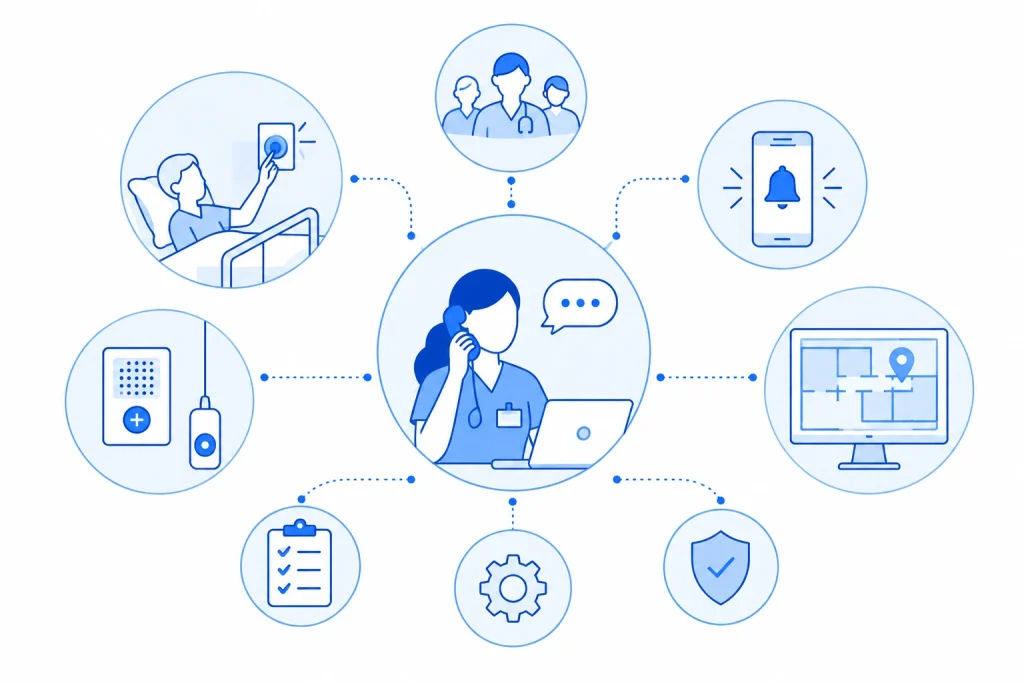
Nurse call systems are built for environments where patients or residents need an easy, dependable way to request assistance.
A new or upgraded system can make sense if:
Your existing nurse call technology is aging or difficult to maintain
Your current system provides limited information about call priority or location
Staff rely on manual processes to relay patient or resident requests
You want better visibility into requests and response workflows
Caregivers need to receive alerts while moving throughout the facility
Your facility is expanding and needs a system that can grow with it
Gibson can help evaluate your existing environment, workflows, infrastructure, and communication requirements before recommending a solution.
Available capabilities will depend on the selected nurse call platform and system configuration.
Give patients and residents convenient ways to request assistance from bedsides, rooms, bathrooms, and other appropriate locations.
Help distinguish between different types of calls and route or escalate requests based on configured workflows.
Send supported nurse call alerts to compatible staff communication devices so caregivers can stay informed while moving throughout the facility.
Enable communication between patients or residents and staff through supported room, bedside, or mobile devices.
Give teams greater visibility into active requests, staff response, and other information supported by the nurse call platform.
Smart routing and notification capabilities help reduce the number of steps between a patient request and the appropriate caregiver.
Care teams rarely stay behind a desk. Mobile alerting helps staff remain aware of requests while working throughout the facility.
A connected system gives staff a clearer way to receive, prioritize, and manage patient or resident calls.
Modular nurse call technology makes it easier to support additional rooms, departments, devices, and communication workflows as needs evolve.
A nurse call system gives patients or residents a direct way to request assistance and notifies appropriate staff that a call has been placed. Modern platforms can also support prioritization, escalation, mobile alerts, communication, and workflow integrations.
Nurse call technology is commonly used in hospitals, acute care environments, assisted living communities, long-term care facilities, and other settings where patients or residents may need to quickly reach staff.
Many modern systems can deliver alerts and messages to compatible mobile devices, helping staff receive requests even when they’re away from a central nursing station.
Depending on the platform, nurse call systems can integrate with communication devices, paging, clinical systems, medical devices, and other technologies. Gibson evaluates compatibility as part of the solution planning process.
Yes. Gibson can review your existing nurse call environment, infrastructure, and communication needs before recommending an appropriate migration or replacement approach.
Many modern systems are modular and scalable. The right configuration accommodates additional rooms, devices, workflows, or facilities as your organization changes.
Installing equipment is only one part of the job. Gibson takes the time to understand your facility, existing systems, workflows, and goals before recommending a solution.

There is no universal life safety setup. Gibson helps you choose and configure technology around your organization instead of loading you up with features you don’t need.
Our relationships with established technology manufacturers give organizations access to proven life safety, security, healthcare communication, and infrastructure solutions.
From planning and system configuration to installation and deployment, Gibson helps coordinate the details needed to put your new technology to work.
Your needs don’t stop after go-live. Gibson provides knowledgeable support when you need to troubleshoot, make changes, expand your system, or plan what comes next.
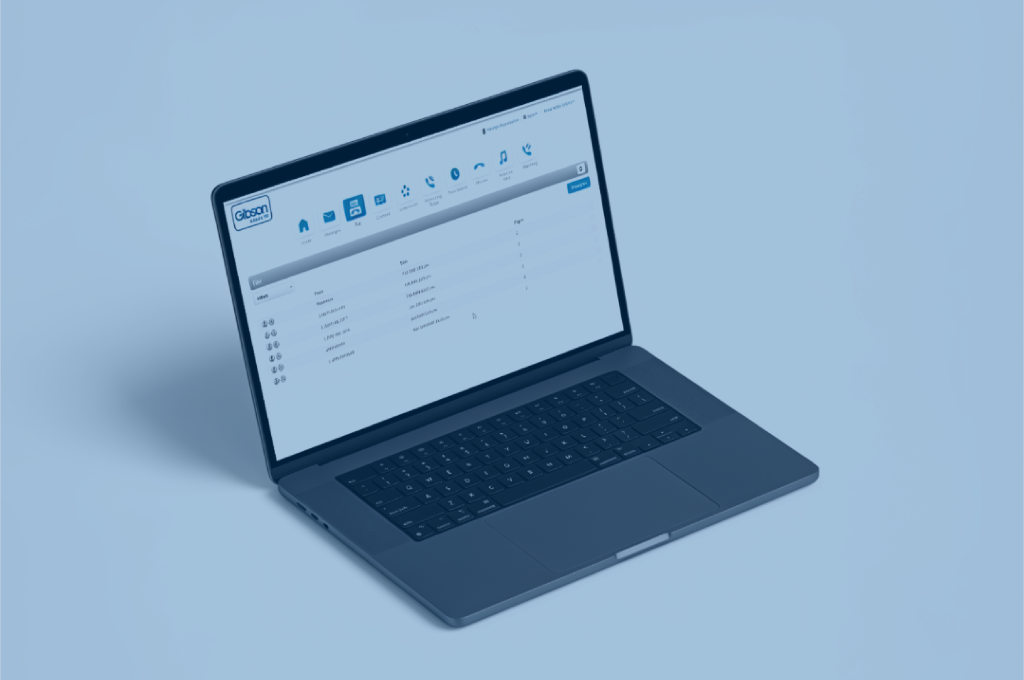
Make building-wide announcements and distribute urgent notifications across supported channels and devices so people know what’s happening and what they need to do.

Manage access to entrances, restricted areas, and other important spaces with security technology built around the way your facility operates.
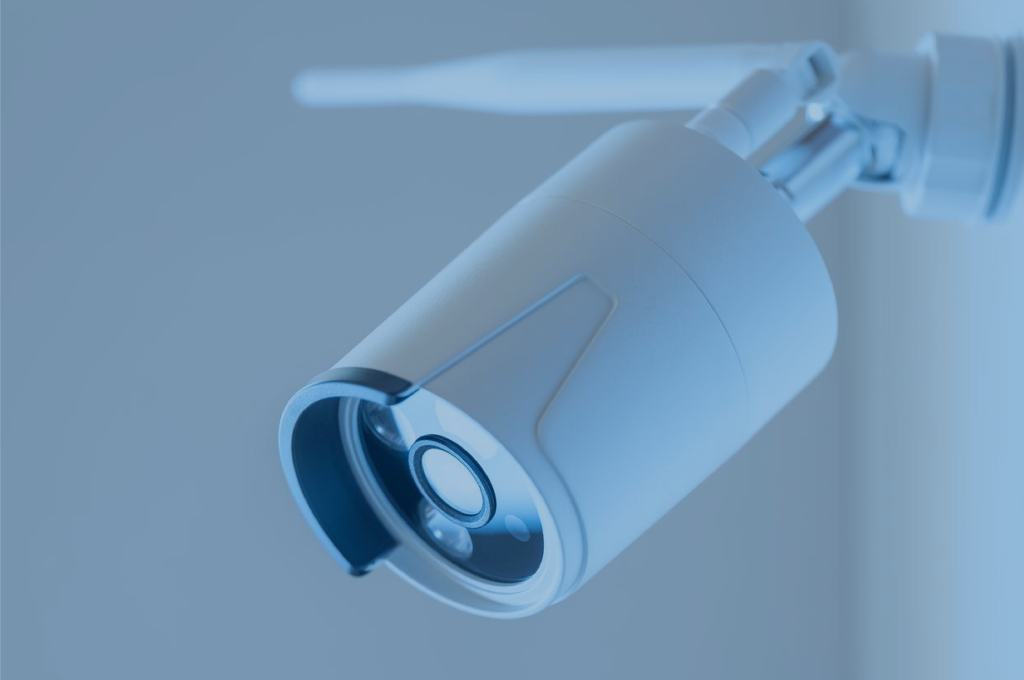
Monitor important areas in real time and give your team additional visual information to support security, incident review, and day-to-day facility awareness.